
Retail Businesses for Sale in Singapore: How to Read Lease Terms, Analyse Footfall, and Manage Landlord Risk
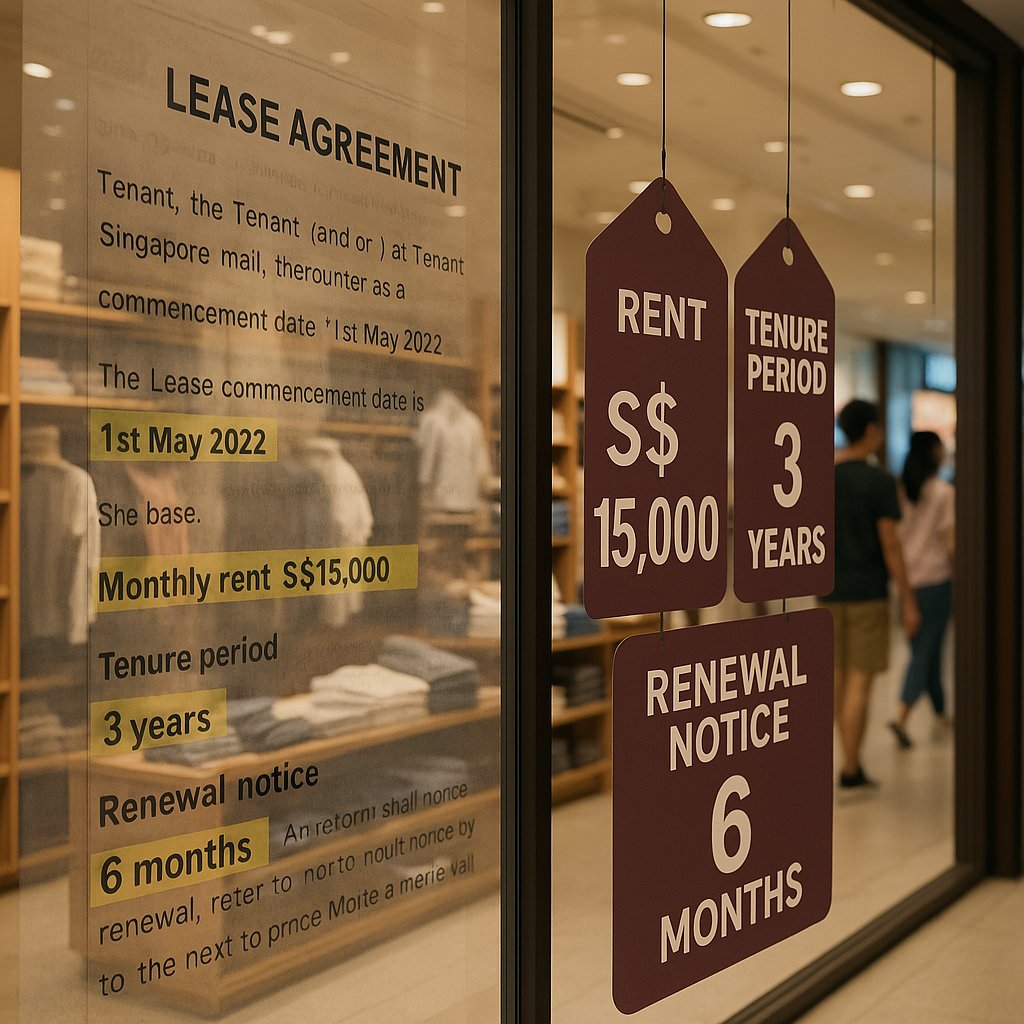
Table of Contents
- Overview: Why Lease and Landlord Risk Can Make or Break a Retail Deal
- Reading the Lease in a Retail Business Acquisition: Non-Negotiables to Check
- Turnover Rent, Keep-Open Clauses, and Other Retail-Specific Traps
- Footfall and Location Analysis: Looking Beyond Headline Traffic
- Landlord and Policy Risk: Code of Conduct, Fair Tenancy, and Renewal Uncertainty
- Buying a Franchised Retail Outlet: Lease, Fees, and Territory Considerations
- Using Listings and Market Data: Benchmarking Retail Deals Before You Bid
- Practical Deal Tactics: Negotiating and Protecting Yourself Before Completion
- FAQ: Retail Businesses for Sale in Singapore, Lease Terms, and Landlord Risks
- Conclusion: Build Your Edge Around Lease Intelligence and Location Reality
- Work with Bizlah
Overview: Why Lease and Landlord Risk Can Make or Break a Retail Deal
Expert Insight:
According to www.wlp.com.sg, commercial properties in Singapore—such as offices, retail shops, industrial buildings, warehouses and hotels—are primarily for business use and income generation and are not subject to Additional Buyer’s Stamp Duty (ABSD), making them increasingly attractive to both local and foreign investors in light of recent ABSD hikes on residential properties (https://www.wlp.com.sg/complete-guide-to-buying-commercial-property-in-singapore-2025-edition/). (www.wlp.com.sg)
When you buy a retail business for sale in Singapore, you are not just buying inventory, brand, and staff. Learn more: Sell or Buy a Business.You are also effectively buying into its lease, location, and landlord relationship. For many shops, kiosks, and franchised outlets, the lease is the single biggest fixed cost and one of the main reasons deals succeed or fail.
Unlike residential contracts, commercial leases in Singapore are highly customised and negotiable. Terms on rent review, permitted use, renovation, and early termination can differ widely between landlords and malls. Add to this the importance of shopper traffic patterns and the increasing influence of the Code of Conduct for Leasing of Retail Premises, and it becomes clear: you cannot assess a retail business without dissecting its lease and location data.
This guide focuses on three pillars that every serious buyer must master before closing on any retail business for sale in Singapore:
- Lease mechanics and hidden obligations
- Footfall and sales potential of the specific unit, not just the mall
- Landlord and policy risks that can hit profits or shut you down
Use this as a due diligence checklist alongside financial analysis, valuation, and financing considerations already covered in other Bizlah playbooks.
Reading the Lease in a Retail Business Acquisition: Non-Negotiables to Check
When acquiring a shop, salon, clinic, or specialty store, you generally step into the existing tenancy via assignment or by signing a fresh lease with the same landlord. Before you bid on any retail business for sale in Singapore, request the full signed lease, all side letters, and any correspondence on renewals or rent rebates.
Pay close attention to these core elements, informed by common commercial lease practices in Singapore:
- Lease tenure and balance
Most SMEs have 2–3 year leases with an option to renew, while anchor tenants may secure 5+ years. If only 6–12 months remain, you are exposed to renewal risk and potential rent hikes. Short balance is not always bad, but your offer price should reflect the uncertainty. - Option to renew
Check whether it exists, the notice period, and how rent will be reviewed (fixed step-up, market review, or landlord discretion). A vague renewal clause can undermine your projected returns. - Rental structure
Retail leases often combine:- Base rent(fixed per month)
- Service charge(for common area maintenance, security, etc.)
- Turnover rent(a percentage of gross sales above a threshold)
Ask for historical rent statements and confirm what is included in “gross turnover” – especially if you sell online, via delivery platforms, or run events.
- Security deposit
Usually 2–3 months’ gross rent for smaller tenants, but can be higher for newer brands or if the tenant has a thin balance sheet. A large deposit ties up your cash and is at risk if disputes arise. - Permitted use
Many leases state a narrow permitted use (e.g. “nail salon only” or “F&B – cafe”). Any change or addition (e.g. introducing retail products, alcohol, medical aesthetics) may require landlord consent and licensing approvals from URA, HDB, or sector regulators. - Repair and maintenance obligations
Landlords typically handle structure and common areas; tenants handle interiors and equipment. Study the clauses for air-con, grease traps, exhaust systems, and fire safety – major capex items that can blow your budget if they fail. - Fit-out, reinstatement, and approvals
Retail leases usually include design guidelines, a fit-out period, and a reinstatement obligation at lease end. Reinstatement costs in malls can be painful; factor this into your forward cashflow and exit planning.
Map every major lease obligation to a line item in the profit and loss and cashflow forecast. Your goal is to see the trueoccupancy cost and capex requirements, not just the seller’s stated “rent” number.
Turnover Rent, Keep-Open Clauses, and Other Retail-Specific Traps
Retail premises in malls or high-traffic mixed-use developments often come with clauses that do not appear in generic office or industrial leases. These terms can materially change the economics of your deal.
- Turnover (percentage) rent
Common in fashion, beauty, and F&B tenancies, turnover rent is pegged to a percentage of monthly sales. Review:- The threshold at which turnover rent kicks in
- How gross turnover is defined (e.g. includes online orders? vouchers? platform fees?)
- Reporting frequency and audit rights (some landlords can audit your POS data)
Turnover rent may sound scary, but it can align costs to revenue if base rent is lower. The key is clarity and reliable sales reporting.
- Keep-open clause
Some landlords require tenants to open during specified hours and days, even when business is slow or during shoulder periods. Breach can trigger penalties or be treated as a default. During downturns or pandemics, this clause can restrict your flexibility to cut losses. - Marketing and promotion funds
Many malls charge a marketing levy or require contributions to central promotions. Assess whether the cost is justified by actual marketing support (events, campaigns, social media) that drives traffic to your unit. - Exclusivity and category mix
Understand whether you have any category protection (e.g. no competing brands within a radius) and how the landlord manages tenant mix. Strong curation can support your sales; overcrowding of similar concepts can dilute them. - Renovation controls and brand guidelines
Franchise-based businesses may already follow strict global guidelines, but landlords often have their own design rules, signage policies, and operating standards. Misalignment between franchisor and landlord requirements can cause delays and extra costs.
As a buyer, translate each of these clauses into numbers: incremental costs, potential penalties, sales upside from mall campaigns, and the impact of any opening-hour restrictions on your staffing and utility bills.
Footfall and Location Analysis: Looking Beyond Headline Traffic
A key reason investors gravitate to retail businesses for sale in Singapore is our dense urban layout and high mall penetration, supported by public transport and tourism. But raw “mall footfall” or “street traffic” metrics are not enough. You need to know how much of that flow can realistically convert into paying customers for your specific unit.
Anchor your analysis in three layers:
- Macro: property and precinct
Use insights from commercial property guides (such as those by DBS NAVor independent commercial investment overviews) to understand the role of the mall or street: is it a destination mall, commuter hub, tourist-focused, or neighbourhood-centric? Consider:- Competition within 500m–1km (on Google Maps and in-mall directories)
- Upcoming URA developments or infrastructure changes that may boost or divert traffic
- Demographic fit: office workers vs families vs tourists
- Meso: cluster and floor
Within the mall or complex, analyse:- Proximity to anchors (supermarket, cinema, MRT entrance, food court)
- Position relative to escalators, lifts, and main corridors
- Visibility from main traffic paths – not all units on the same floor are equal
Ask the seller for historic sales by day and hour, and map that against observed traffic patterns during your site visits.
- Micro: unit and format
Evaluate:- Shop frontage width, ceiling height, and line-of-sight
- Ease of access (barrier-free entry, queues space, stroller/wheelchair friendliness)
- Signage opportunities – fascia, hanging signs, digital displays
Even in a strong mall, a recessed or obstructed unit can significantly underperform.
Where possible, do your own simple footfall study: stand nearby at different times and count flows for 15–30 minutes; compare weekday vs weekend, peak vs off-peak. Combine this with POS data from the seller to calculate rough conversion rate(transactions per observed passersby). This will help you judge whether a sales uplift is realistic or the business is already optimised for its location.
Landlord and Policy Risk: Code of Conduct, Fair Tenancy, and Renewal Uncertainty
Beyond rent and traffic, landlord behaviour and regulatory trends can materially affect your investment. Singapore has moved towards more balanced retail leasing practices, but not all landlords or leases are the same.
Key areas to review:
- Code of Conduct for Leasing of Retail Premises
The Code of Conductsets out fair tenancy principles on issues like pre-termination, exclusivity, rent structure clarity, and data transparency. While not every arrangement is identical, buyers should check:- Whether the lease was drafted or updated with the Code in mind
- How transparent the rent and turnover definitions are
- What happens in exceptional events (e.g. government-mandated closures)
- Past conduct during crises
Ask the seller how the landlord behaved during COVID-related restrictions or renovation works: were rental rebates or flexible terms offered? This is a strong indicator of future negotiating dynamics. - Renewal and relocation risk
Some landlords reserve rights to reconfigure space, relocate tenants, or decline renewals based on changing mall strategy. If brand presence and customer loyalty are tied to a particular spot, forced relocation can be value-destructive. - Landlord financial health and strategy
Is the mall owned by a major REIT, a family office, or an individual landlord? REITs may have more structured processes, data, and marketing, whereas smaller landlords can sometimes offer more flexibility but less predictability. - Tax and policy environment
Stay aware of sector-specific tax measures and grants that affect retail and related industries, such as those summarised in Singapore Budget commentaries. While these apply mainly at business level, landlord policies can influence how much of the benefit you keep versus pass through in rent negotiations.
During due diligence, treat the landlord almost like a silent partner: research them, understand their incentives, and assess whether they are aligned with your growth plans.
Buying a Franchised Retail Outlet: Lease, Fees, and Territory Considerations
Many listings for a retail business for sale in Singapore are franchised outlets – from bubble tea and dessert shops to fitness studios and specialty services. With franchises, you take on not just a lease and operations, but also franchise fees, brand rules, and territory constraints.
Key questions specific to franchise-driven deals:
- Who holds the lease?
Is the tenant entity the franchisee (seller) or the franchisor/head office? If the franchisor holds the master lease and you are subletting, your security is different from being the direct tenant. Clarify assignment rights and what happens if the franchisor exits the location. - Franchise cost structure
Refer to market-level guides on franchise feesand typical cost breakdowns: initial franchise fees, ongoing royalties, marketing contributions, and mandatory procurement. Overlay these on top of your rent and service charges to compute your true break-even sales level. - Territory and cannibalisation risk
Check your protected territory, if any, and the franchisor’s policy on opening new outlets nearby. A landlord may actively seek more units of the same brand or close substitutes if they see strong performance. - Fit-out and refurbishment cycle
Franchise agreements often require periodic refurbishments or rebranding. Combine the franchisor’s refurbishment schedule with the lease expiry and reinstatement terms to avoid stacking heavy capex and downtime at the same time. - Exit and transfer approvals
For many franchised businesses for sale in Singapore, your ability to sell in future depends on both landlord and franchisor approval. Understand those transfer processes and fees before you buy; they impact your eventual exit valuation and buyer pool.
Always review the franchise agreement alongside the lease. Misalignment between the two (for example, franchise tenure longer than the lease, or vice versa) is a red flag you must factor into pricing or negotiate to fix.
Using Listings and Market Data: Benchmarking Retail Deals Before You Bid
You should never evaluate a target in isolation. Market context matters, both for lease terms and achievable revenue. Before making an offer on any retail business for sale in Singapore, benchmark the opportunity using public listings and commercial data.
Practical steps:
- Scan active listings for retail businesses
Browse platforms such as BusinessForSale.sg’s retail sectionto understand the asking prices, rental levels, and locations for comparable shops and brands. While listing prices are not definitive, they help you sanity-check the seller’s expectations. - Compare rent per square foot
Gather advertised rents for similar-sized units in the same mall or neighbouring developments (via agents, property sites, and listing portals). This will show whether your target’s rent is above or below current market, and how likely renewal negotiations are to move the needle. - Track sales multiples by segment
Different retail niches (e.g. necessity retail vs fashion vs specialty services) command different revenue and profit multiples. Where possible, compare price-to-profit and price-to-revenue multiples across listings to avoid overpaying on brand hype. - Check bank and regulator views on the area
Banks and analysts, including those cited in commercial real estate investing guides, often highlight resilient precincts and asset classes. A location that banks favour as collateral may be a more robust long-term bet. - Overlay with your financing and tax position
Combine lease commitments, fit-out costs, and franchise or goodwill payments with the financing structures you intend to use. This ensures your net return still makes sense after interest, tax, and depreciation of leasehold improvements.
By triangulating internal data (seller’s numbers) with external benchmarks, you can sharpen your offer, negotiate more credibly, and walk away confidently when risk-reward is skewed.
Practical Deal Tactics: Negotiating and Protecting Yourself Before Completion
Once you are comfortable with the retail concept, unit performance, and macro trends, focus on structuring the deal to manage lease and landlord risks. This is where experienced buyers differentiate themselves.
Consider these tactics:
- Make completion conditional on landlord consent
For assignments or new leases, build a condition precedent that the landlord approves you (and, if applicable, your franchisor arrangements) by a clear deadline. This avoids paying for a business you cannot legally operate in that unit. - Seek written confirmation of key lease points
Before completion, get written confirmation of:- Remaining lease tenure and any renewal options
- Current rental and service charge rates, and any upcoming scheduled increases
- Whether there are existing breaches or outstanding arrears by the seller
- Negotiate fit-out and reinstatement obligations
Where the landlord is supportive, negotiate to:- Waive or cap reinstatement for long-term tenants
- Secure a short rent-free period post-completion for necessary upgrades
- Clarify ownership of fixtures and equipment that you are paying for as part of goodwill
- Use performance-based price structures
If you are uncertain about future traffic or lease renewal terms, consider tying part of the purchase price to future performance (e.g. an earn-out) or to successful renewal on agreed terms. - Engage advisors who understand commercial leases
Given the custom nature of commercial leases in Singapore, it is worth engaging accountants and lawyers familiar with retail tenancy norms and the Code of Conduct to scrutinise clauses and model real cashflows.
For buyers who want to go deeper on how to approach any business for sale in Singapore strategically – from deal flow and financing to risk management – consider working with experienced advisors who can help you benchmark opportunities, shape offers, and plan your first 90 days post-acquisition.
FAQ: Retail Businesses for Sale in Singapore, Lease Terms, and Landlord Risks
1. How important is the remaining lease tenure when buying a retail business for sale in Singapore?
The remaining lease tenure directly affects your risk and the price you should pay. A business with 2–3 years left on a reasonably priced lease and a clear renewal option is much safer than a similar outlet with only 6–9 months left and no renewal clarity. Short leases are not automatically bad – they can give you flexibility – but your offer should reflect the uncertainty and potential rent hikes at renewal.
2. Should I avoid retail businesses that pay turnover (percentage) rent?
Not necessarily. Turnover rent can be attractive when base rent is lower, as it aligns part of your cost with sales. The key is understanding the details: the sales threshold, the percentage payable, the definition of “gross turnover”, and audit/reporting requirements. Run scenario analyses on your projected sales to see how total occupancy costs move at different revenue levels.
3. How can I realistically assess footfall for a specific unit, not just the mall?
Combine on-site observation with seller data. Visit at different times and count passersby for short intervals; compare weekday vs weekend and peak vs off-peak flows. Then review POS data from the seller (transactions per hour) to estimate conversion rates. Check the unit’s position relative to anchors, escalators, and entrances – two shops in the same mall can have very different traffic and visibility.
4. What red flags in a retail lease should make me reconsider a deal?
Major red flags include: very vague or one-sided renewal clauses, aggressive keep-open obligations with heavy penalties, unclear or broad turnover rent definitions, extensive landlord rights to relocate or terminate you unilaterally, and high reinstatement obligations that are disproportionate to the fit-out value. Multiple unresolved disputes between seller and landlord are another warning sign.
5. How does the Code of Conduct for Leasing of Retail Premises in Singapore help me as a buyer?
The Code of Conduct sets out fair practices on issues like rent calculation, data transparency, exclusivity, and early termination, aiming to balance landlord and tenant interests. When a lease aligns with the Code, you typically see clearer definitions, more balanced risk-sharing, and better dispute frameworks. As a buyer, you should ask whether the landlord adheres to the Code and have your advisor check how the current lease stacks up against its principles.
6. Are franchised retail outlets riskier because of extra fees and rules?
Franchised outlets come with additional costs (entry fees, royalties, marketing contributions) and constraints (brand standards, supplier rules, territory limits). These can compress margins but may also offer stronger branding, operational support, and faster ramp-up. The risk depends on how well the franchise model fits the lease economics and location. Always analyse franchisor terms together with the lease, and ensure the combined obligations still leave you a healthy profit after paying rent, staff, and financing costs.
Conclusion: Build Your Edge Around Lease Intelligence and Location Reality
In Singapore’s competitive retail landscape, sustainable profits rarely come from guesswork. When you evaluate any retail business for sale in Singapore, the real edge lies in how well you understand its lease terms, actual footfall, and landlord dynamics – and how effectively you integrate those factors into pricing, deal structure, and your post-acquisition plan.
If you can read leases like an investor, view footfall like a data analyst, and negotiate like a long-term partner to your landlord, you will make sharper decisions, avoid nasty surprises, and position your next retail acquisition for resilient cashflow and growth.
Related Reading
Work with Bizlah
consultative CTA — explore Sell or Buy a Business.
- Local expertise in Singapore
- End-to-end guidance
- Transparent valuation
- Online & E‑Commerce Businesses for Sale in Singapore: How to Evaluate Traffic, SEO, and Profit Sustainability
- Beauty Salon for Sale at Orchard: How to Evaluate, Take Over, and Grow a Prime Salon Business
Informational only; not financial advice.