
Technology & E‑Commerce Business for Sale in Singapore: How to Review Code, IP, and Customer Data Before You Buy
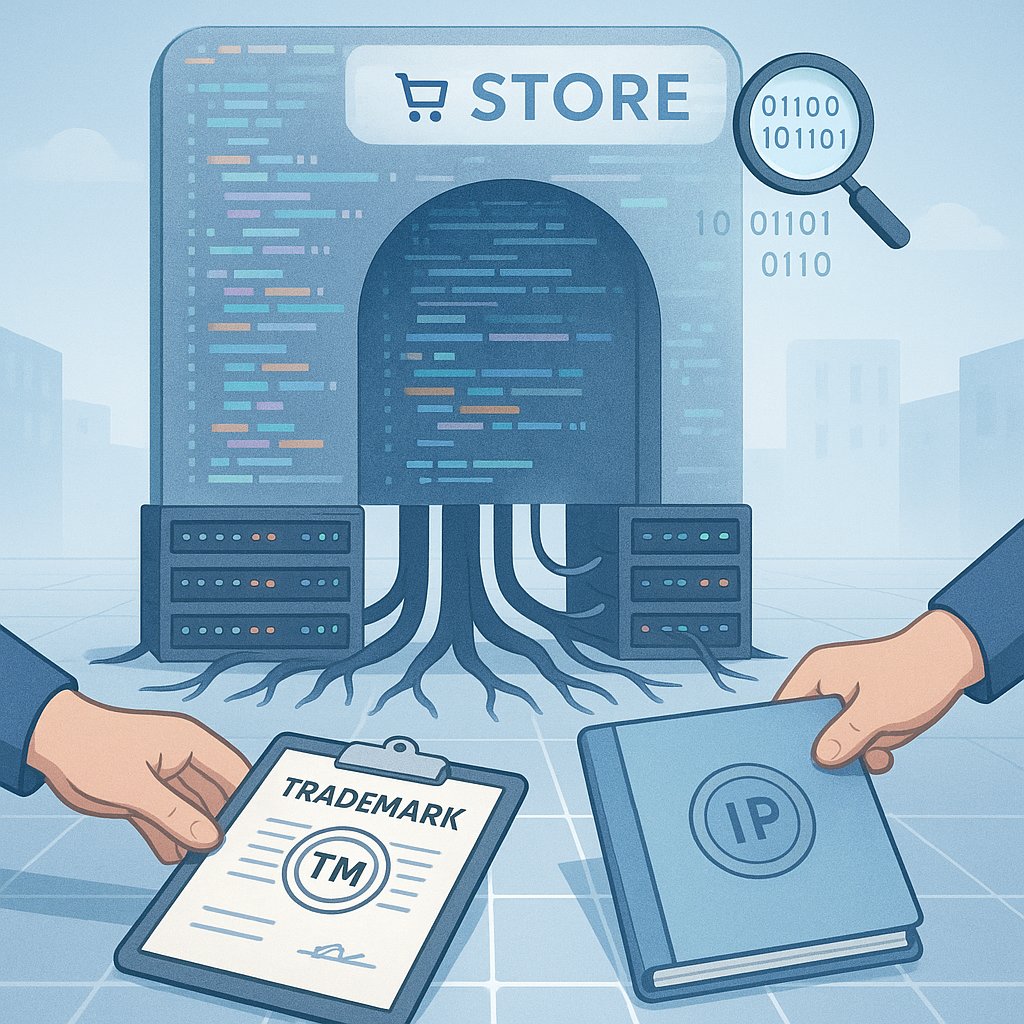
Technology & E‑Commerce Business for Sale in Singapore: How to Review Code, IP, and Customer Data Before You Buy


Table of Contents

  • Overview: Why Tech, IP, and Data Checks Matter for E‑Commerce Acquisitions
  • Code and Tech Stack: What to Inspect Before You Buy
  • IP Ownership and Licensing: Trademarks, Code Rights, and Digital Assets
  • Customer Data, PDPA Compliance, and Data Transfer Risks
  • Regulatory, Licensing, and Strategic Fit Checks for Tech & E‑Commerce Deals
  • Conclusion: Turn Tech, IP, and Data Due Diligence into Your Advantage
  • FAQ
  • Work with Bizlah

Overview: Why Tech, IP, and Data Checks Matter for E‑Commerce Acquisitions

Expert Insight:

According to www.mswebinternational.com, any e-commerce business operating in Singapore must be registered with the Accounting and Corporate Regulatory Authority (ACRA), even if it is entirely online, and can choose structures such as sole proprietorship, partnership, or private limited company (https://www.mswebinternational.com/blogs/blogs/licenses-required-for-ecommerce-businesses-in-singapore). (www.mswebinternational.com)

When you buy a technology or e‑commerce business for sale in Singapore, the real value usually sits in its software, digital assets, and customer database. Learn more: Sell or Buy a Business.But these are also where hidden risks often live: copied code, missing licenses, leaky data practices, and IP that is not properly owned by the company.

Beyond the standard legal and financial due diligence described by Singapore law firms such as Yuen Lawand Triangle Legal, buyers of tech-driven and online businesses must perform deeper checks on:

  • Code and software stack– how the site, apps, and backend actually work.
  • Intellectual property– who truly owns the brand, content, and technology.
  • Customer and operational data– whether it is compliant, usable, and transferrable.

This article focuses on practical, checklist-level items specific to buying a technology or e‑commerce business in Singapore, complementing more general guides such as those from RSBUand marketplaces like BusinessForSale.sg.

Code and Tech Stack: What to Inspect Before You Buy

For any online or IT-focused business for sale in Singapore, the codebase and infrastructure will determine how easily you can scale, integrate, and innovate after acquisition. You are not just buying “a website”; you are buying a living system.

1. Codebase quality and maintainability

  • Request read-only accessto source repositories (e.g., GitHub, GitLab, Bitbucket) under NDA.
  • Check whether the code follows a consistent style, has comments, and uses modern frameworks rather than outdated or abandoned ones.
  • Identify hard-coded secrets(API keys, passwords, tokens) that must be rotated on completion.
  • Review test coverage – is there at least a basic suite of unit and integration tests, or is everything hot-fixed in production?

2. Third-party platforms and dependencies

  • List all e‑commerce platformsin use (e.g., Shopify, WooCommerce, custom build) and confirm that licenses and subscriptions can be transferred to you.
  • Review critical integrations – payment gateways, logistics, marketing tools (e.g., email automation, CRM) – and document how they connect (API vs. plugins vs. custom scripts).
  • Ask for an inventory of libraries and dependencies(PHP packages, Node.js modules, Python libraries, etc.), including version numbers and known vulnerabilities.
  • Verify which dependencies are commercial licenses vs. open source (this ties directly into IP risk).

3. Performance, security, and reliability

  • Request recent uptime and performance metrics(from tools like Pingdom, New Relic, or hosting dashboards).
  • Check page load speeds and mobile responsiveness, especially for core conversion pages (homepage, product pages, checkout).
  • Confirm implementation of basic security controls: SSL/TLS, password hashing, rate limiting on login endpoints, and regular backups.
  • Ask whether penetration tests or vulnerability scans have been run recently – if not, budget for one during due diligence.

4. Infrastructure and DevOps

  • Identify where the systems are hosted (e.g., AWS, Azure, on‑premise, or local hosting providers) and who controls the accounts.
  • Review deployment processes – are they automated (CI/CD) or manual uploads via FTP? Automation generally signals more mature engineering.
  • Clarify cost structure: monthly hosting, CDN, database, and third‑party SaaS costs, as this affects your post‑acquisition margins.

5. Vendor lock‑in and migration risk

  • Check whether the business is dependent on one developeror agency without proper documentation. If so, require a transitional services agreement or knowledge‑transfer period.
  • Assess how easily data and code can be migrated away from the current stack if you need to replatform later.

If you are evaluating multiple IT or e‑commerce listings on BusinessForSale.sg’s IT business listings, these criteria help you quickly separate robust, scalable assets from fragile, bespoke builds that will cost you far more to maintain than the asking price suggests.

IP Ownership and Licensing: Trademarks, Code Rights, and Digital Assets

For technology and e‑commerce businesses, intellectual property is often the most valuable asset. You need to be certain that what you are paying for is truly owned by the company and can be legally transferred to you.

1. Trademarks, domain names, and branding

  • Request a schedule of all registered and unregistered trademarks(brand name, logo, product names) and verify registrations with IPOS or other jurisdictions if the brand sells overseas.
  • Confirm that the primary domain namesare registered in the company’s name, not a founder’s personal account, and that they will be transferred on completion.
  • Check if any trademark conflictsexist in key markets; unresolved disputes can restrict your ability to expand.

2. Software and code ownership

  • Confirm that the company (not freelancers or agencies) owns the rights to the source code used in the website, apps, and internal tools.
  • Review employment and contractor agreements to ensure proper IP assignment clausesexist for developers and designers.
  • If external agencies built key systems, obtain copies of contracts to confirm that the deliverables were assigned to the company, not just licensed.

3. Open-source and third‑party software licenses

  • Compile a list of open‑source components with their licenses (MIT, Apache, GPL, etc.). Some licenses, especially copyleft ones, may impose obligations if you distribute or modify the software.
  • Identify any embedded proprietary SDKs or APIs(e.g., payment, shipping, marketing), and confirm that the business has the right to continue using them after transfer.
  • Ensure there are no license breaches(e.g., using a single‑seat license for multiple servers) that could expose you to back payments or legal action.

4. Content, creatives, and marketing assets

  • Verify ownership of product photos, ad creatives, blog posts, and UX designs. Stock images and templates must have valid commercial licenses.
  • Ensure that any influencer content, UGC, or partner content used in ads or on the site has clear rights for ongoing commercial use.
  • Check whether key marketing accounts(Meta, Google Ads, email platforms) and their audiences are considered part of the sale and can be legally transferred.

5. Patents, trade secrets, and proprietary algorithms

  • For more advanced tech businesses (e.g., custom recommendation engines, AI‑based pricing), confirm if any patentshave been filed and whether they are assigned to the company.
  • If trade secrets (e.g., algorithms, pricing models) are a core advantage, review internal controls around access and confidentiality.

General guides on buying a business for sale in Singapore often highlight IP briefly, but for technology and e‑commerce deals you should treat IP due diligence as a dedicated workstream with both legal and technical input.

Customer Data, PDPA Compliance, and Data Transfer Risks

E‑commerce businesses live and die by their customer data: email lists, past orders, behavioural events, and remarketing audiences. In Singapore, that data is governed by the Personal Data Protection Act (PDPA), which creates both compliance obligations and practical constraints on how you can use and transfer that data after acquisition.

1. Data inventory and ownership

  • Identify all data sources: website, mobile app, marketplaces (e.g., Lazada, Shopee), payment gateways, CRM, email tools, and any offline systems.
  • Clarify what customer data is actually included in the sale (especially when the business operates on third‑party platforms or marketplaces).
  • Check whether customer data is stored in structured form (e.g., CRM) or scattered across spreadsheets and exports.

2. PDPA compliance practices

  • Review the privacy policyand terms of use on the site for clear explanations of data collection, use, and disclosure.
  • Confirm that the business obtained valid consentfor email and SMS marketing (opt‑in checkboxes, consent logs, unsubscribe options).
  • Ask how access to personal data is controlled internally (role‑based access, audit logs, data minimisation).
  • Check whether the business has appointed a Data Protection Officer (DPO), as required under PDPA, and whether any data breach incidents have been reported.

3. Data quality and usability

  • Assess the quality of the database: percentage of active vs. inactive emails, bounce and spam complaint rates, and segment coverage.
  • Verify whether key fields (e.g., order history, lifetime value, last purchase date) are properly tracked to support future campaigns.
  • Evaluate how easily data can be exported, transformed, and imported into your own tools and stacks (e.g., from Shopify or WooCommerce into your CRM).

4. Cross‑border data transfers and vendors

  • Map where personal data is stored and processed – many SaaS tools host regionally or globally. Confirm that contracts with overseas processors meet PDPA standards.
  • Identify any high‑risk vendors (e.g., niche marketing tools without clear PDPA/GDPR posture) and build a remediation or migration plan.

5. Data use post‑acquisition

  • Consider how the acquisition will be communicated to customers and whether any new purposes of data userequire fresh consent.
  • Clarify whether you will operate the business under the same legal entity or transfer assets into a new entity (this has implications for PDPA notices and consents).

Singapore‑focused e‑commerce guides, such as those by Themis Partnerand MS Web International, stress compliance requirements for new ventures. As a buyer, you must go one step further and verify that existing practices will not expose you to inherited regulatory risk.

Regulatory, Licensing, and Strategic Fit Checks for Tech & E‑Commerce Deals

Even when the code, IP, and data look sound, you still need to check whether the business can legally operate as‑is and whether it fits your growth strategy in Singapore’s competitive digital market.

1. Core regulatory and licensing checks

  • Confirm that the entity is properly registered with ACRAand that its business activity codes cover current operations.
  • Verify whether the business should be GST‑registeredand whether all GST obligations are up to date.
  • Check for sector‑specific licenses: for example, products such as alcohol, tobacco, food, cosmetics, and medical products may trigger approvals from the Singapore Police Force, Health Sciences Authority (HSA), or Singapore Food Agency (SFA).
  • Ensure customs permits and import/export declarations are correctly handled for cross‑border e‑commerce.

2. Platform and marketplace dependencies

  • Review sales breakdown by channel: own site vs. marketplaces vs. social commerce.
  • Understand each marketplace’s account ownership rulesand whether ratings, reviews, and seller history can be legally transferred to you.
  • Assess the risk of platform policy changes that could materially affect revenue (e.g., new fees, ad algorithms, category restrictions).

3. Strategic fit and scalability

  • Compare the business model to established playbooks on how to start and scale an online store (e.g., Forbes on starting an e‑commerce businessand how to start an online store).
  • Identify what is already working (product‑market fit, repeat buyers, profitable channels) and what has stalled (abandoned projects, failed markets).
  • Consider whether government schemes like the Productivity Solutions Grant (PSG) for e‑commerce tools could fund post‑acquisition improvements.

4. Comparing multiple listings and structuring the deal

  • Use technology, IP, and data maturity as key filters when browsing any technology or e‑commerce business for sale in Singapore on public marketplaces.
  • Weigh the cost of fixing weak code or poor data practices against the headline price – sometimes a slightly more expensive listing with sound systems is a far better buy.
  • Structure warranties and indemnities around specific findings: undeclared IP issues, non‑compliant data handling, or unlicensed software use should all be clearly allocated to the seller.

If you need funding to move quickly when you find the right opportunity, consider using a business loan comparison platform like Singsaverto benchmark financing options and keep your acquisition capital‑efficient.

Conclusion: Turn Tech, IP, and Data Due Diligence into Your Advantage

In Singapore’s mature digital economy, almost every attractive technology or e‑commerce business for sale in Singapore will advertise strong traffic, loyal customers, and “proprietary” systems. The buyers who create the best outcomes are those who look under the hood – verifying code quality, locking down IP ownership, and ensuring customer data is both compliant and commercially usable.

By running structured checks across software, IP, and data – and tying your findings into valuation, deal terms, and post‑acquisition plans – you turn due diligence from a defensive exercise into a strategic filter. That is how you avoid inheriting hidden liabilities and instead acquire digital assets that can compound in value as you scale.

FAQ

Q:

Why is code due diligence critical when buying a tech or e‑commerce business in Singapore?
A:Because you’re inheriting the existing codebase, you must confirm it’s secure, maintainable, and scalable. Poorly structured or undocumented code increases future costs, delays new features, and may hide security or compliance risks that are expensive to fix after the sale.

Q:

What IP documents should I request before buying a Singapore tech business?
A:Ask for IP assignment agreements from founders and developers, employment contracts with IP clauses, trademark registrations, software licence contracts, and any patent or design filings. Verify that the company, not individuals or outsourced vendors, is the legal owner of key software, brand names, and creative assets.

Q:

How do I check if the customer data practices comply with Singapore’s PDPA?
A:Review how consent is obtained, what privacy policy is shown to users, and how long data is retained. Confirm there are processes for data access and deletion requests, and ensure any cross‑border data transfers or use of third‑party tools are properly disclosed and contractually safeguarded.

Q:

What should I look for in the tech stack and infrastructure of an e‑commerce site?
A:Assess the age and popularity of frameworks and libraries used, code repository hygiene, and automated testing coverage. Also review hosting setup, uptime history, backup routines, and deployment processes to see whether the platform can handle growth without constant firefighting.

Q:

How can I spot hidden licence or open‑source risks in the codebase?
A:Use software composition analysis tools to scan for third‑party and open‑source components and their licences. Pay special attention to copyleft licences (like GPL) and unlicensed snippets, and confirm the seller has valid commercial licences for any paid libraries, themes, or SaaS integrations in use.

  • Common Legal and Compliance Mistakes Buyers Make With a Business for Sale in Singapore (And How to Avoid Them)
  • How to Value a Business in Singapore (2025)
  • Automation Opportunities Around a Business for Sale in Singapore: Systems, Financing, and Smarter Deals
  • Automation-Led Growth Strategies When You Buy a Business for Sale in Singapore
  • Benefits of a Business for Sale in Singapore: Faster Market Entry, Strong Infrastructure, and Deal Flexibility
  • Business For Sale In Singapore Techniques: From Listing Prep to Closing the Deal
  • SME Valuation in Singapore 2025 Explained: Practical Benchmarks, Industry Factors, and Deal-Ready Adjustments
  • Business Valuation Methods for SMEs in Singapore (2025)
  • Post‑Acquisition Blueprint: Your First 90 Days After Buying a Business for Sale in Singapore
  • Automation Trends 2025: How Buyers of a Business for Sale in Singapore Can Ride the Next Wave
  • Automation Playbook 2025: How SME Buyers and Owners Can Turn Systems Into Real Enterprise Value
  • Top Strategies to Buy and Sell Businesses in Singapore
  • Work with Bizlah

    consultative CTA — explore Sell or Buy a Business.

    Informational only; not financial advice.