
Automation-Ready Businesses for Sale in Singapore: Where Technology, Supply Chains and Financing Meet
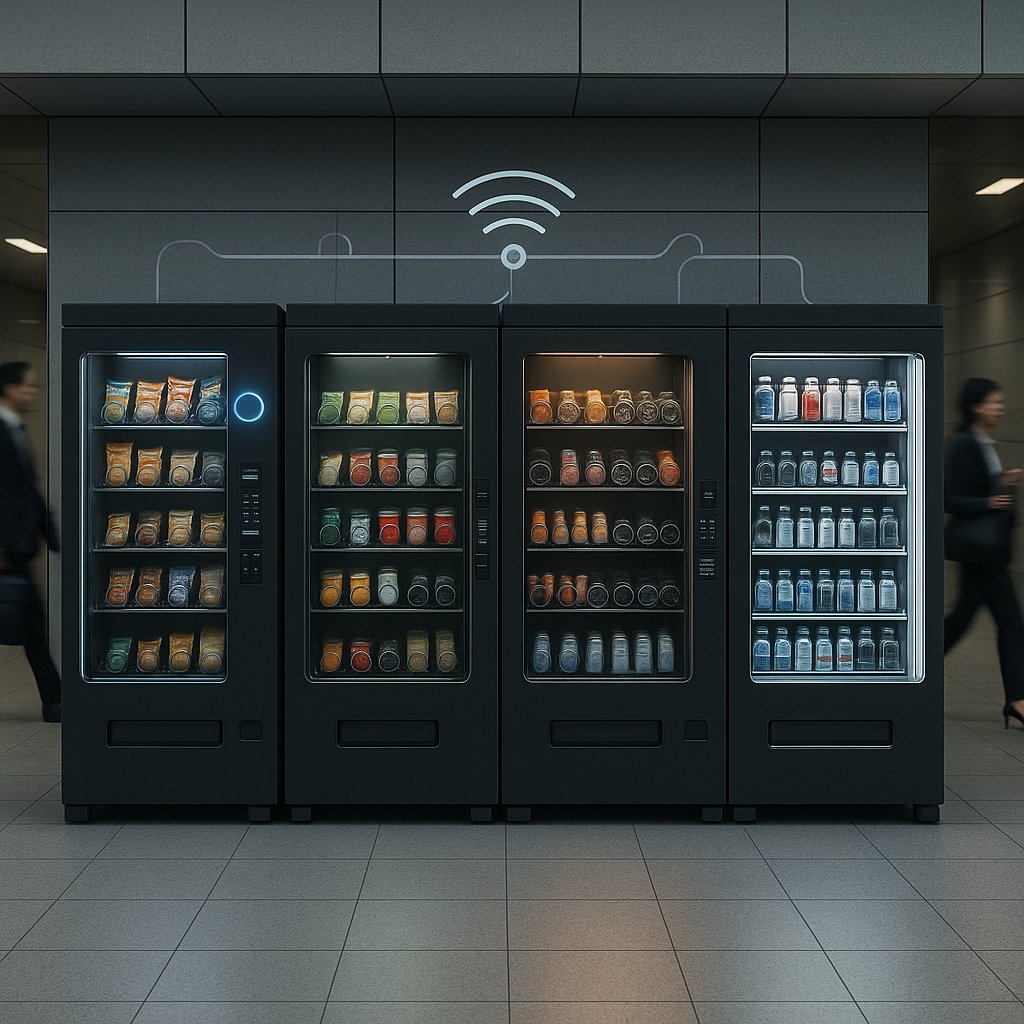
Table of Contents
- Overview: Why Automation Is Now Central to Any Business for Sale in Singapore
- Power Electronics and Industrial Automation: The Hardware Behind Scalable Operations
- Supply Chain Disruptions: Why Logistics Automation and Resilience Now Drive Deal Value
- Vending Machines, Dropshipping and Fully Automated Micro-Business Models
- Financing, Digital Transformation and Deal Structuring Around Automation
- Conclusion: What to Look For in Automation-Ready Businesses for Sale in Singapore
- FAQ
- Work with Bizlah
Overview: Why Automation Is Now Central to Any Business for Sale in Singapore
Expert Insight:
According to www.linkedin.com, the Singapore MOSFET drivers and controllers market is projected to grow from USD 1.2 billion in 2024 to USD 2.5 billion by 2033, reflecting a 9.5% CAGR, driven by demand for high-efficiency, low-voltage solutions and digital control features in electronics and EVs (https://www.linkedin.com/pulse/singapore-mosfet-drivers-controllers-market-urbanization-vafbf). The article also notes that companies are increasingly localizing production and investing in Singapore’s semiconductor ecosystem to enhance supply chain resilience. (www.linkedin.com)
Automation is no longer a niche feature; it is becoming the baseline for how Singapore businesses are built, valued and sold. Learn more: Sell or Buy a Business.Whether you are evaluating a small vending route, a fully automated dropshipping store, or a mid-market industrial firm, the depth and quality of automation now directly influences scalability, margins and exit value.
Singapore sits at the intersection of three powerful shifts: a fast-growing regional semiconductor ecosystem, global supply chain volatility, and a strong national push for SME digital transformation. Together, these trends are changing what a modern business for sale in Singaporelooks like – and what buyers must examine beneath the surface.
This article focuses on automation as a commercial asset, not just a technical buzzword. You will see how power electronics, logistics risk, vending and dropshipping models, and digital transformation programmes all feed into deal strategy and valuation for automation-heavy businesses.
Power Electronics and Industrial Automation: The Hardware Behind Scalable Operations
Behind every automated warehouse, production line or smart device is a layer of power electronics that quietly dictates reliability, efficiency and operating cost. In Singapore, the MOSFET drivers and controllers segment illustrates how fast this foundation is evolving.
Recent market analysis suggests the Singapore MOSFET drivers and controllers market is growing from around USD 1.2 billion in 2024 to an estimated USD 2.5 billion by 2033, at a CAGR near 9.5%. This is driven by:
- Industrial automation and Industry 4.0:Robotics, variable-speed drives and sensor-rich production systems all depend on efficient, thermally stable power management.
- Electric vehicles and clean energy:High-efficiency, low-voltage MOSFET drivers reduce energy loss and heat, critical in EV chargers and renewable systems.
- Smart, digitally controlled electronics:Integrated digital control interfaces enable real-time monitoring, adaptive control and remote diagnostics.
For buyers assessing a manufacturing or automation-intensive business for sale in Singapore, this has several implications:
- Capex resilience:Plants built on modern MOSFET-based drivers and controllers generally run cooler, consume less energy and support predictive maintenance, improving uptime and margin.
- Regulatory and sustainability upside:Equipment that meets higher energy-efficiency standards can help secure green financing or government incentives.
- Supply chain strategy:With geopolitical risks and component shortages, businesses that have secured reliable semiconductor supply or localized sourcing in Singapore’s semiconductor ecosystem are more defensible acquisitions.
When reviewing data rooms, do not stop at headline automation claims. Ask for asset registers, OEM contracts and maintenance logs for critical power-electronics-based systems. A plant that has migrated to newer MOSFET driver platforms can command a premium over one locked into obsolete, power-hungry hardware.
Supply Chain Disruptions: Why Logistics Automation and Resilience Now Drive Deal Value
Automation is tightly linked to logistics resilience, and recent news on looming US dockworker strikes underlines how fragile global supply lines can be. Singapore businesses and consumers have already been warned about the risk of shipment delays and supply shortfalls if such disruptions materialise.
For an automation-led business for sale in Singapore, this changes how you should read its operating model:
- Inventory and order automation:Systems that automatically re-order, re-route or re-prioritise shipments can soften the impact of port disruptions or freight bottlenecks.
- Multi-sourcing logic:Automated procurement workflows that can dynamically switch suppliers or logistics partners during shocks reduce downtime and lost sales.
- Scenario modelling:Advanced planning tools, powered by data from ERPs and WMSs, allow management to simulate strike scenarios and pre-position stock.
When evaluating a logistics-heavy or import-reliant target, go beyond basic claims of “integrated systems” and examine:
- How orders flow from e-commerce platforms or B2B clients into warehouse management systems.
- Whether forecasting, replenishment and routing rules are automated or still spreadsheet-driven.
- How the business performed through previous disruptions (pandemic, freight rate spikes), and what system changes were made since.
A company with robust logistics automation is better positioned to ride out port strikes or shipping lane congestion. That resilience can justify stronger valuations and tighter earn-out structures, because performance is less exposed to external shocks that derail manual, reactive operations.
Vending Machines, Dropshipping and Fully Automated Micro-Business Models
Not all automation-driven opportunities are capital-intensive factories. In Singapore, lean, system-heavy businesses like vending machine routes and dropshipping stores are increasingly appearing on listing platforms, offering low-headcount, process-automated ways to capture income.
Automated vending machine businesses
are a clear example. Guides to starting such operations in Singapore highlight:
- 24/7 sales with minimal staff:Machines can run continuously with remote stock and sales monitoring.
- Digital payments and telemetry:Cashless terminals and IoT sensors enable real-time revenue tracking and smarter route planning.
- Location and product analytics:Owners can use sales data to quickly adjust SKUs and move underperforming machines.
Buying an existing vending operation, instead of starting from scratch, allows you to inherit tested locations, machines and data. The automation value lies in how integrated the telemetry, payment systems and replenishment workflows already are.
Fully automated dropshipping businesses
are another rising asset class. For instance, you can now find listings labelled as fully automated dropshipping business for sale, where:
- Storefronts are synced to suppliers:Product listings, descriptions and inventory levels are automatically updated.
- Order routing is hands-off:Customer orders go straight to suppliers or fulfilment partners, with tracking numbers automatically relayed back.
- Marketing is partially systemised:Email campaigns, abandoned cart sequences and some ad optimisation may be automated.
When reviewing such listings on marketplaces, your diligence should focus on:
- Platform dependencies (e.g. single app or API for fulfilment).
- The robustness of automations (error handling, overselling safeguards, returns).
- Supplier diversification and service-level history.
Because these micro-business models lean heavily on software and integrations, buyer risk is less about headcount and more about tech stack fragility and partner concentration. Properly engineered flows can support rapid scaling; poorly set-up automations can collapse under modest volume spikes.
Financing, Digital Transformation and Deal Structuring Around Automation
Automation-heavy SMEs often sit at the crossroads of digital transformation, growth capital and M&A. In Singapore, advisory firms emphasise that small and medium businesses need integrated digital strategies – not scattered tools – to unlock productivity and be transaction-ready.
Digital transformation as value uplift
Digital transformation programmes for SMEs in Singapore typically focus on:
- Process digitisation:Moving analog or manual processes into structured, trackable systems (ERP, CRM, HRIS).
- Data platforms:Building single sources of truth and dashboards for decisions on pricing, utilisation and churn.
- Automation layers:Using APIs, RPA or workflow engines to connect systems and remove repetitive tasks.
From a buyer’s perspective, an SME that has gone through a structured digital transformation often exhibits:
- Cleaner, more reliable data – essential for valuation and performance-based earn-outs.
- Lower operational risk – fewer manual workarounds and key-person dependencies.
- Clear automation roadmaps – so you can model additional ROI from further investments.
Corporate finance and capital for automation
On the deal side, Singapore’s corporate finance ecosystem can support automation-oriented strategies, including:
- Growth capital for automation upgrades:Using equity or debt to fund robotics, advanced power electronics or warehouse automation post-acquisition.
- Roll-up strategies:Acquiring several smaller, partially automated businesses and standardising their systems.
- Exit planning:Positioning a digitally mature, highly automated SME as a strategic bolt-on for regional or global buyers.
Buyers can also tap personal or business financing to secure automation-led assets. In some cases, personal loans from SingSavermay help fund deposits, working capital or early-stage automation initiatives, especially for smaller acquisitions like vending routes or micro e-commerce brands. While this is not a substitute for rigorous financial planning, it widens access to capital for first-time owners.
When you combine robust automation, credible digital transformation work and the right capital structure, you create businesses that are more resilient to shocks and more appealing at exit – whether that exit is to a strategic buyer, a private equity fund, or another entrepreneur hunting for an automation-ready business for sale in Singapore.
Conclusion: What to Look For in Automation-Ready Businesses for Sale in Singapore
Automation is rapidly redefining what makes a Singapore business attractive to buy. From MOSFET-powered industrial systems and logistics automation, to vending and fully automated dropshipping businesses, the common thread is clear: repeatable, systems-led operations that scale without linear increases in headcount.
As you evaluate any business for sale in Singapore, anchor your analysis on four questions:
- How modern and efficient are the underlying technologies (including power electronics and core platforms)?
- How well does the business withstand supply chain shocks, and what logistics automations support that?
- Are revenue-generation and fulfilment processes genuinely systemised, or still owner-dependent?
- What digital transformation work has already been done, and what capital options exist to deepen automation post-deal?
Entrepreneurs who answer these questions rigorously will be better positioned to find, finance and grow automation-first businesses that can weather volatility and command premium valuations in Singapore’s evolving market.
FAQ
Q:
How does automation influence the valuation of a business for sale in Singapore?
A:Automation can raise valuations by improving margins, reducing labour dependence, and making earnings more predictable. Buyers often pay a premium for businesses with proven automated systems because they are easier to scale and less exposed to manpower constraints common in Singapore.
Q:
Why are vending machines and hardware automation (like MOSFET-driven systems) attractive to buyers?
A:These models typically have lower operating costs, can run 24/7, and capture detailed data on customer behaviour. For buyers, this means clearer forecasting, lean staffing requirements, and the ability to optimise locations and inventory based on real usage data.
Q:
What should buyers look for when assessing an automated dropshipping business?
A:Key factors include the stability of supplier relationships, robustness of the tech stack, and diversification of sales channels. Buyers should also review traffic sources, automation workflows, and any platform dependencies that could affect long-term resilience.
Q:
How can deals be structured to account for future automation upgrades?
A:Buyers and sellers can use earn-outs or performance-based milestones tied to automation rollouts and resulting profit improvements. This shares the risk and reward of upgrade investments and aligns both parties around post-acquisition growth.
Q:
What financing options suit highly automated SMEs in Singapore?
A:Because automated SMEs often have stable cash flows and strong data trails, they may qualify for bank loans, asset-backed financing, or revenue-based funding. Buyers can also combine traditional debt with seller financing to reduce upfront equity while leveraging the business’s predictable earnings.
Related Reading
Work with Bizlah
consultative CTA — explore Sell or Buy a Business.
- Local expertise in Singapore
- End-to-end guidance
- Transparent valuation
- Business For Sale In Singapore: Practical Tips And Best Practices For Serious Buyers
- Business For Sale In Singapore Techniques: From Listing Prep to Closing the Deal
- Asset Purchase vs Share Purchase When Buying a Business for Sale in Singapore: Tax, Risk and Legal Implications
- Automation Opportunities When Buying a Business for Sale in Singapore
- Automation-Led Growth When Buying a Business for Sale in Singapore
- Automation Strategy for Singapore Entrepreneurs: From Workflow Design to Exit Value
- Automation Plays for Singapore SME Buyers: From AI Platforms to Industrial Assets
- Automation Advantage: What Serious Buyers Should Check Before Acquiring a Business for Sale in Singapore
Informational only; not financial advice.