
Buying a Profitable Café or Restaurant in Singapore: Hidden Costs, Licences, and Landlord Risks
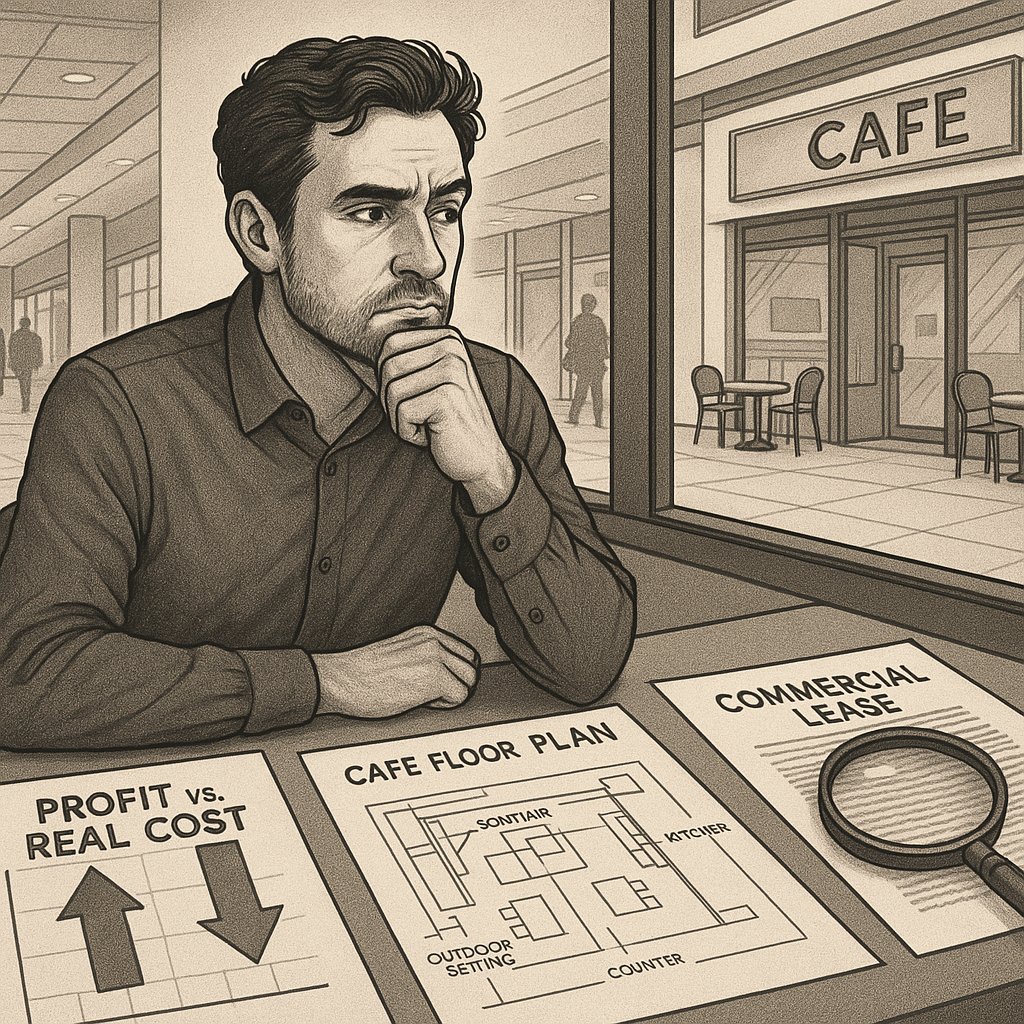
Table of Contents
- Overview: Why F&B Deals in Singapore Look Better on Paper Than in Reality
- Hidden Costs When Buying a Café or Restaurant in Singapore
- Licences, Compliance, and Operational Risk for F&B Takeovers
- Landlord, Lease, and Mall Management Risks That Can Break Your Deal
- Finding, Evaluating, and Structuring the Right F&B Deal in Singapore
- FAQ
- Work with Bizlah
Overview: Why F&B Deals in Singapore Look Better on Paper Than in Reality
Expert Insight: According to Smergers (https://www.smergers.com), Biryani Singapore—rebranding from Tayyiba Briyani—uses automation and robotic-assisted cooking to standardize traditional biryani preparation, ensuring consistent taste and quality while making the concept highly scalable. The company currently operates one licensed, company-owned QSR outlet in Singapore with seating for 40 customers. (www.bing.com)
Profitable cafés and restaurants are among the most popular types of business for sale in Singapore. Learn more: Sell or Buy a Business.Listings highlight monthly revenue, net profit, and crowd photos, but the risks that kill returns are usually off-sheet: under‑quoted operating costs, non‑transferable licences, landlord veto rights, and goodwill that evaporates when the current owner leaves.
Because F&B margins are thin, a small error in rent assumptions, licence timing, or takeover costs can wipe out your first year’s profit. Before you sign a letter of intent or pay a deposit, you need a checklist that goes beyond standard SME acquisitions and focuses on Singapore‑specific café and restaurant risks.
This article focuses on three areas that matter most to F&B buyers:
- Hidden costs that never show up clearly in the profit and loss (P&L).
- Licences and regulatory approvals that can delay or derail your opening.
- Landlord, lease, and mall management risks that can reshape the deal overnight.
Use this as a practical filter when you review any café or restaurant business for sale in Singapore, whether you find it on an open marketplace, via a broker, or through a private introduction.
Hidden Costs When Buying a Café or Restaurant in Singapore
An F&B takeover price often looks simple: pay a lump sum for the business, stock, and fit‑out. In reality, the total acquisition cost can be 20–40% higher once you factor in items that are not obvious in the listing.
Key hidden costs to identify and quantify upfront include:
- Fit‑out, renovation, and reinstatement obligations
Most leases require the tenant to reinstate the unit to its original condition at the end of the term. If you are taking over an existing lease, find out:- What reinstatement obligations exist and who will bear them on expiry.
- Whether the current fit‑out complies with fire safety, mall, and URA/HDB rules.
- If the landlord requires any upgrades as a condition of assigning the lease.
A tired fit‑out that “looks fine” can still require tens of thousands in upgrades before the landlord approves your takeover.
- Equipment repair, replacement, and hidden leases
Café and restaurant equipment looks like part of the sale, but check:- Age and condition of key items (coffee machines, refrigeration, exhaust systems, POS).
- Whether any of it is on hire‑purchase or lease (you may need to assume contracts).
- Outstanding warranty, maintenance contracts, and service history.
A single espresso machine or walk‑in chiller failure early on can erase a month of profit.
- Staff liabilities and transition costs
If you retain existing employees, consider:- Accrued annual leave and bonuses that may be expected or contractually due.
- Work pass renewals, levies, and quota implications if you change entity structure.
- Higher salary expectations after the takeover (staff often see it as a chance to renegotiate).
In a share purchase, you could also inherit historic HR or CPF non‑compliance, so due diligence is critical.
- Marketing and rebranding spend
If the café or restaurant trades heavily on the current owner’s personal brand, you may have to invest in:- Rebranding (logo, menu design, signage, uniforms, social media assets).
- Launch promotions to retain regulars and attract new customers.
- Updated photography and listing fees on delivery platforms.
These costs rarely appear in the headline takeover price but affect your first‑year cash flow.
- Licences, approvals, and professional fees
Budget for:- Professional fees for lawyers, advisors, and accountants to review the deal.
- Application and inspection fees for licences (if not fully transferable).
- Additional design or consultancy fees if changes are needed to meet current regulations.
These are not optional if you want a compliant, bankable business.
When you review any listing or proposal for a café or restaurant business for sale in Singapore, build a conservative cost model that includes fit‑out refresh, equipment replacement, and staff transition, then stress‑test the projected profit under slower‑than‑expected sales.
Licences, Compliance, and Operational Risk for F&B Takeovers
Even if a seller shows you valid Accounting and Corporate Regulatory Authority (ACRA) and Singapore Food Agency (SFA) licences, you need to confirm whether they can be transferred, re‑issued, or must be applied for again under your ownership or entity. Delays or refusals can leave you paying rent while unable to trade.
Key licence and compliance checks include:
- SFA and related food licences
Confirm the exact SFA licence type (e.g. Food Shop Licence) and whether your intended menu and operating model fit under existing approvals. If you plan to add new cooking methods, expand the kitchen, or serve different categories of food, you may trigger new requirements or inspections. - Change of entity vs takeover of existing company
If you buy shares in the existing company, licences may remain intact but you inherit its entire history, including any regulatory breaches. If you acquire only the assets and start a new entity, you will likely have to apply for fresh licences, which can take time. This asset vs share structure also has significant legal and tax implications, so coordinate with advisors early. - Fire safety and exhaust / grease trap compliance
Check that the current fire safety certificate, exhaust system, and grease trap setup match the approved plans. Any discrepancies uncovered during inspection may require rectification works before licences or renewals are granted, affecting your opening timeline. - Alcohol, entertainment, and extended hours
If the restaurant relies on alcohol sales or late‑night trading, confirm:- Liquor licences and permitted hours.
- Any specific conditions imposed (e.g. no live music after certain hours).
- Whether the landlord or mall has additional house rules beyond statutory licences.
Changes in surrounding residents’ feedback or local guidelines can also lead to tighter future conditions, so do not overpay for a business model that is fragile to regulatory shifts.
- Delivery platform and franchise agreements
If a significant portion of revenue comes from platforms like GrabFood or foodpanda, ensure:- Accounts and ratings can be transferred or continued under your brand.
- No outstanding compliance flags or disputes exist.
For franchise cafés and restaurants, carefully review the franchise agreement: renewal terms, fees, territorial rights, and any capital expenditure obligations. A franchisor’s veto power can be as impactful as a landlord’s.
In short, do not assume licences are a box‑ticking exercise. For any F&B business for sale in Singapore, the regulatory landscape is central to operational continuity, not an afterthought.
Landlord, Lease, and Mall Management Risks That Can Break Your Deal
The lease is often the single most valuable asset in a café or restaurant acquisition. Yet many buyers only skim the rent and remaining tenure. In Singapore, landlord approval and lease terms can reshape or even kill your deal.
Important landlord and lease issues to address include:
- Assignment and landlord consent
Most commercial leases require landlord consent before the lease can be assigned or sub‑let. You need clarity on:- Whether the landlord has the right to reject you without reason.
- Any assignment fee or legal costs payable to the landlord.
- Conditions attached to consent (e.g. minimum renovation, brand standards, security deposit top‑up).
Plan your deal timeline around obtaining written consent; do not complete until this is secured.
- Remaining tenure and renewal risk
A seemingly profitable café with only 12–18 months left on the lease is much riskier than a similar outlet with 3–5 years remaining. Evaluate:- The realistic payback period on your takeover price and upgrade spend.
- Track record of the landlord renewing F&B tenants in that property.
- Any pre‑agreed renewal options and how rent is to be reviewed.
Without visibility on renewal terms, treat any investment that cannot be recouped within the remaining lease as high risk.
- Rental structure and hidden occupancy costs
Beyond base rent, confirm:- Service charges, marketing contributions, and sinking funds (common in malls).
- Turnover rent clauses and how sales are reported and audited.
- Responsibility for maintenance of air‑conditioning, exhaust, and shared facilities.
For a café or restaurant business for sale in Singapore, a modest base rent can mask expensive service charges that push total occupancy cost above sustainable levels.
- Use clause and permissible concept changes
If you intend to tweak the concept (e.g. from café to bistro, or introduce stronger cooking), ensure the lease use clause and mall positioning allow it. Landlords often curate tenant mixes; a concept that clashes with their plan may be rejected or constrained. - Reinstatement and make‑good on exit
Even if you plan to hold the business long term, a smart buyer understands the exit cost embedded in the lease. Reinstatement obligations, including removal of grease traps, exhaust ducting, and partitions, can be substantial. These future costs should influence both your offer price and the way you negotiate warranties and indemnities.
When negotiations reach the Sale and Purchase Agreement (SPA) stage, align commercial terms and risk allocation with the lease reality. Experienced advisors often use the SPA to ring‑fence known and potential lease risks so you are not left bearing undisclosed liabilities later.
Finding, Evaluating, and Structuring the Right F&B Deal in Singapore
Once you understand the main hidden costs, regulatory, and landlord risks, you can approach the F&B market more strategically instead of chasing every “profitable” listing.
There are three practical stages:
- 1. Sourcing realistic opportunities
Use curated marketplaces that specialise in businesses rather than only individual outlets. Platforms such as BusinessForSale.sg and specialist brokers like HNS Consult aggregate a wide range of business for sale in Singapore, including cafés, quick‑service restaurants, and full‑service concepts. Structured listings with financial snapshots, lease details, and high‑level operating data allow you to quickly eliminate deals that do not fit your risk appetite. - 2. Running focused F&B due diligence
Beyond standard financial review, your due diligence should explicitly cover:- Stability of daily and weekly sales (including dine‑in vs delivery split).
- Menu item profitability and dependence on a few hero products.
- Supplier concentration and contract terms (especially for key ingredients and beverages).
- Customer behaviour patterns influenced by office crowds, schools, or tourist traffic.
Use this to build a realistic forward view rather than simply extrapolating last year’s numbers.
- 3. Negotiating terms that protect your downside
Your SPA is where risk allocation becomes real. Drawing on guidance similar to what major advisors outline for sale and purchase agreements, consider:- Conditions precedent for landlord consent and key licence approvals.
- Purchase price adjustments if inventory or working capital differ from agreed levels at completion.
- Specific warranties on equipment condition, regulatory compliance, and absence of undisclosed disputes.
- Indemnities for pre‑completion breaches, including regulatory and HR issues.
For many buyers, working with a broker or advisor who understands both F&B operations and Singapore deal norms can save you from expensive surprises after handover.
If you are ready to explore your first or next café or restaurant business for sale in Singapore, you can browse a curated pipeline of opportunities and get advisory support on negotiations and due diligence via this marketplace of businesses for sale in Singapore.
Approach each listing with a clear framework: validate the sustainability of profits, quantify hidden costs, verify licence transfers, and treat the lease as a central asset, not a footnote. That is how you turn a busy café on paper into a resilient investment in practice.
FAQ
Q: What hidden costs should I look out for when buying an existing café or restaurant in Singapore?
A: Beyond the sale price, scrutinise rental escalation clauses, fit-out repair obligations, equipment replacement, and reinstatement costs at lease end. Also check for unpaid supplier bills, staff overtime or leave liabilities, and upcoming menu or brand refresh costs that the seller hasn’t budgeted for.
Q: How can I verify that all licences for the café or restaurant are in good standing before I buy?
A: Ask for copies of all current licences (SFA, liquor, MUIS halal if relevant, music, etc.) and confirm their status directly with the issuing agencies. Review when they expire, whether they’re transferable, and any pending warnings or breaches attached to the premises or company.
Q: What landlord-related risks are unique to buying an F&B business in Singapore?
A: Key risks include short remaining lease tenure, high security deposits, and landlord rights to terminate or relocate you with limited compensation. Many leases also restrict concept changes, require landlord approval for assignments, and contain steep rental step-ups after the first term.
Q: How do I know if the reported profits of the café or restaurant are sustainable after I take over?
A: Rebuild the profit and loss from bank statements, supplier invoices, and POS data instead of relying on a summary provided by the seller. Then adjust for realistic staff costs, your own salary, rental increases, and any one-off discounts or subsidies the current owner enjoys but you won’t.
Q: What negotiation points can help protect me when buying a profitable F&B business?
A: Negotiate conditions precedent such as landlord consent, successful licence transfer, and a clean handover of staff and supplier contracts. You can also seek retention or holdback of part of the purchase price, tied to future sales performance or the discovery of undisclosed debts.
Related Reading
Work with Bizlah
consultative CTA — explore Sell or Buy a Business.
- Local expertise in Singapore
- End-to-end guidance
- Transparent valuation
Informational only; not financial advice.